For many homeowners, a conservatory starts life as an exciting addition to the home. It provides extra space, plenty of natural light and somewhere to enjoy the garden without being outside.
Unfortunately, traditional conservatory roofs can also create one significant problem: temperature control.
During the summer, a poorly insulated conservatory can quickly become uncomfortably hot, behaving more like a greenhouse than a practical living space. In winter, the opposite can happen, with valuable heat escaping through the roof and leaving the room cold and expensive to heat.
A professionally installed warm conservatory roof conversion can completely change how the space feels and, importantly, how often you can actually use it.
Why Do Traditional Conservatories Get So Hot?
Traditional polycarbonate and glazed conservatory roofs allow a large amount of solar energy into the room.
On a sunny day, heat builds up beneath the roof and becomes trapped within the conservatory. Even when the outside temperature is relatively comfortable, the internal temperature can rise considerably.
This is why many homeowners find their conservatory becomes somewhere they avoid during the hottest parts of the summer.
Blinds and open windows can help to a degree, but they don't address the fundamental issue: the thermal performance of the roof itself.
What Is a Warm Conservatory Roof Conversion?
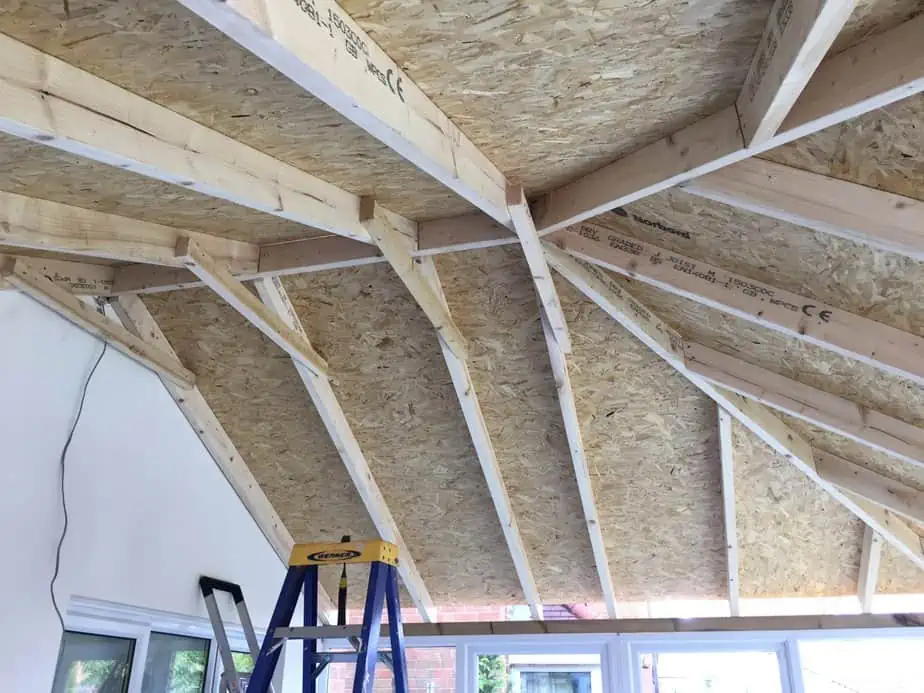
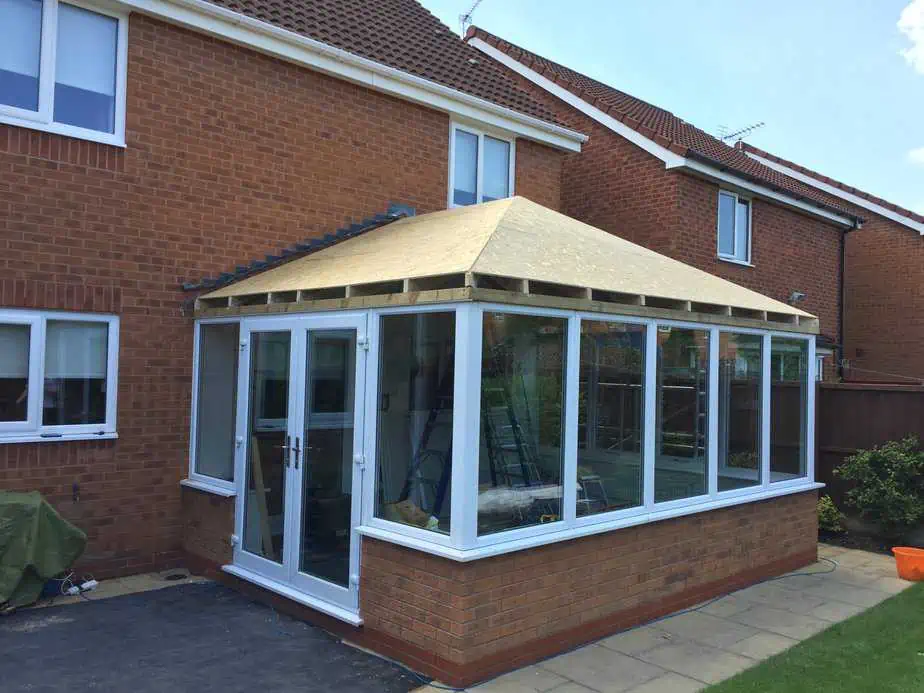
A warm roof conversion replaces or upgrades the existing conservatory roof with a properly designed, insulated roofing system.
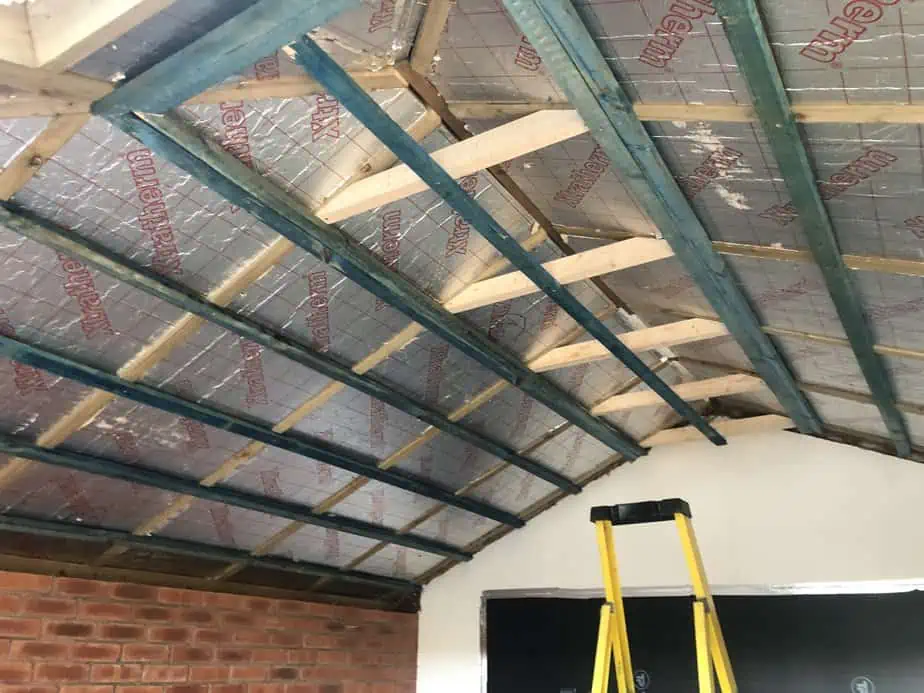
A key part of the construction is the installation of PIR insulation between the timber roof rafters, combined with the appropriate roof structure, membranes, ventilation requirements and internal and external finishes.
PIR (polyisocyanurate) is a high-performance rigid insulation material. Its low thermal conductivity means substantial insulation performance can be achieved without requiring excessively thick layers of material.
The objective is simple: reduce unwanted heat transfer through the conservatory roof.
That makes a significant difference in both summer and winter.
Better Thermal Performance During Winter
Heat naturally moves from warmer areas towards colder areas. In winter, that means the heat generated inside your home is constantly trying to escape through its external walls, windows and roof.
A poorly insulated conservatory roof can therefore contribute to significant heat loss.
Installing PIR insulation as part of a correctly constructed warm roof conversion creates a much more effective thermal barrier.
The result can be:
- Reduced heat loss through the conservatory roof
- A room that feels warmer and more comfortable
- More stable internal temperatures
- Less reliance on constant additional heating
- Greater potential to use the conservatory throughout winter
Rather than closing the doors to the conservatory as soon as temperatures drop, the space can become a genuine extension of your home.
Cooler and More Comfortable in Summer
Insulation isn't just about keeping heat inside during winter.
It also helps slow heat entering the room from outside during warmer weather.
This is particularly important with conservatories, where excessive solar gain through traditional roofing can result in extremely uncomfortable internal temperatures.
A warm roof conversion with PIR insulation can significantly improve the thermal characteristics of the roof, helping to create a much more controlled indoor environment.
It won't turn the room into an air-conditioned space, and factors such as glazing, orientation, ventilation and direct sunlight will still affect temperature. However, addressing the roof can make an enormous difference to how comfortable and usable the conservatory becomes.
From Greenhouse to Home Office
One of the biggest advantages of improving your conservatory's thermal performance is simply having more options for how you use the room.
With more people working from home, a conservatory can potentially make an excellent home office.
There is little benefit, however, in creating a beautiful workspace if it becomes unbearably hot at 2pm on a sunny summer afternoon or freezing cold on a January morning.
A properly insulated warm roof helps provide the more consistent environment needed for working comfortably throughout the year.
Your previously underused conservatory could potentially become a:
- Home office
- Study or homework area
- Family room
- Dining room
- Children's playroom
- Hobby or craft room
- Reading room
- Additional everyday living space
Instead of thinking of the conservatory as somewhere that's useful only when the weather happens to be right, you can begin treating it as another functional room within your home.
Understanding U-Values
When discussing insulation, you'll often hear roofing professionals refer to U-values.
A U-value measures how easily heat passes through an element of a building, such as a roof, wall or window. It is expressed in W/m²K (watts per square metre kelvin).
The important thing for homeowners to remember is:
The lower the U-value, the better the element is at resisting heat transfer.
A conservatory roof conversion incorporating an appropriate thickness and specification of PIR insulation can achieve a substantially better thermal performance than many older polycarbonate or glazed conservatory roof systems.
The precise U-value achievable depends on the complete roof build-up, insulation specification and existing structure. Revive can therefore advise on the appropriate solution for the individual property rather than relying on a one-size-fits-all figure.
PIR Insulation and Installation Quality Matter
Simply adding insulation isn't enough.
The effectiveness of a warm roof depends heavily on how the complete roofing system is designed and installed.
Insulation should be carefully fitted to minimise gaps that could create areas of increased heat loss. Attention also needs to be given to moisture management, ventilation where required, membranes, roof junctions and the external weatherproof covering.
Poorly considered insulation work can potentially introduce problems with condensation and moisture.
That's why a conservatory roof conversion should be approached as a complete roofing project rather than simply covering over an existing roof.
Improved Acoustic Comfort
Thermal performance isn't the only potential benefit.
Anyone who has sat beneath a traditional polycarbonate conservatory roof during heavy rain will know how noisy it can become.
Changing to a solid, insulated roof construction can help create a noticeably quieter internal environment.
That can be particularly valuable if you're converting the conservatory into a home office, where telephone calls, online meetings and concentration are important.
A More Attractive Interior
A warm roof conversion also gives you the opportunity to change the appearance of the conservatory internally.
Instead of looking upwards at polycarbonate panels or a traditional glazed roof, the new structure can provide a properly finished ceiling.
Lighting can also be considered as part of the overall design, helping the conservatory feel less like an occasional garden room and more like an integrated part of the house.
Don't Forget Ventilation and Glazing
While the roof plays an important role in thermal performance, it's only one part of the conservatory.
Large areas of glazing can still allow solar heat into the room during summer and contribute to heat loss during winter.
Good ventilation is therefore still important, particularly during prolonged periods of hot weather.
When considering a conservatory roof conversion, it makes sense to look at the whole room – including the existing windows, doors, ventilation, heating and how you intend to use the space.
Could a Warm Roof Give Your Conservatory a New Purpose?
If your conservatory is too hot during summer and too cold during winter, you don't necessarily need to accept that it can only be used for a few months of the year.
A properly designed warm conservatory roof conversion incorporating high-performance PIR insulation can dramatically improve the thermal characteristics of the roof and help create a more comfortable, practical living environment.
For homeowners who need additional space, it could mean turning an underused conservatory into the home office, family room or everyday living space you've been missing.
Thinking About Converting Your Conservatory Roof?
Revive Roofing and Building Solutions can assess your existing conservatory and discuss the options available for creating a properly insulated warm roof system.
We'll consider the existing structure, roof design, insulation requirements and intended use of the room to help determine the most suitable approach for your property.
Get in touch with Revive Roofing and Building Solutions to arrange an inspection and discuss your conservatory roof conversion.
Call: 07854 623 592 Email: John@reviveroofingandbuildingsolutions.co.uk
You can also explore more guides in our Knowledge Centre.